

Growing energy prices have sent several homeowners to search for better ways to manage power consumption. Home automation has emerged as you of the most truly effective solutions , mixing comfort with measurable savings. By linking devices like thermostats, lighting , and devices to a central system , homes can monitor and get a handle on energy use with precision. The end result is just a more efficient home that fees less to run.
How much can automation actually lower energy bills?
Studies provide encouraging numbers. The U.S. Office of Energy reports that smart thermostats can reduce heating and cooling fees by about 8% annually. Because heating and cooling account for nearly half of a typical home's power use, that percentage results in significant savings around time. Many homeowners retrieve the price of their devices within the very first two years.
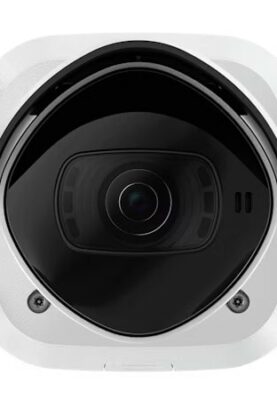
Which devices deliver the biggest savings?
Smart thermostats continually position at the top. They understand your routine and alter conditions immediately, avoiding waste when no body is home. Automatic lighting uses strongly behind. LED lamps paired with movement receptors and timers can reduce lighting-related energy use by up to 75%, in accordance with Energy Star data. Smart plugs and energy strips also support by reducing phantom energy, that your Organic Resources Defense Council estimates charges National households around $165 each year.
Does automation improve efficiency beyond cost savings?
Sure, and the benefits increase across the entire household. Automated methods offer comprehensive reports on wherever energy goes, helping people recognize spend they might usually miss. Smart irrigation techniques adjust watering predicated on weather information, reducing outside water use by around 50%. Related devices may work all through off-peak hours when electricity rates decline, easing strain on equally your allowance and the ability grid.
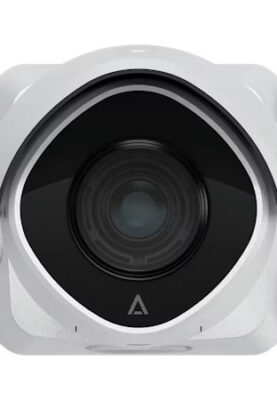
Is the investment worth it for the average homeowner?
For many house holds, the clear answer leans clearly toward yes. The worldwide smart home industry is expected to exceed $230 billion by 2027, a sign of growing confidence in the technology. Entry-level choices stay economical, and many power businesses present rebates for energy-efficient upgrades. Homeowners who begin little, possibly with an individual smart thermostat, frequently increase their techniques if they see the outcomes on their regular statements.
What should you consider before getting started?
Begin by determining your highest energy costs, then prioritize devices that address these areas. Compatibility matters, therefore pick services and products that function within a simple environment for simpler management. Security is similarly important; pick reputable models that provide typical pc software updates and solid information protection. A careful strategy ensures your expense gives equally savings and peace of mind.
The bottom line on smarter energy use
Home automation supplies a realistic path to lower bills and a more effective household. The data is distinct: actually moderate improvements produce real returns. As technology becomes more accessible and affordable, computerized homes are shifting from luxurious to standard practice. For homeowners prepared to seize control of the energy use, there's never been a better time for you to begin.